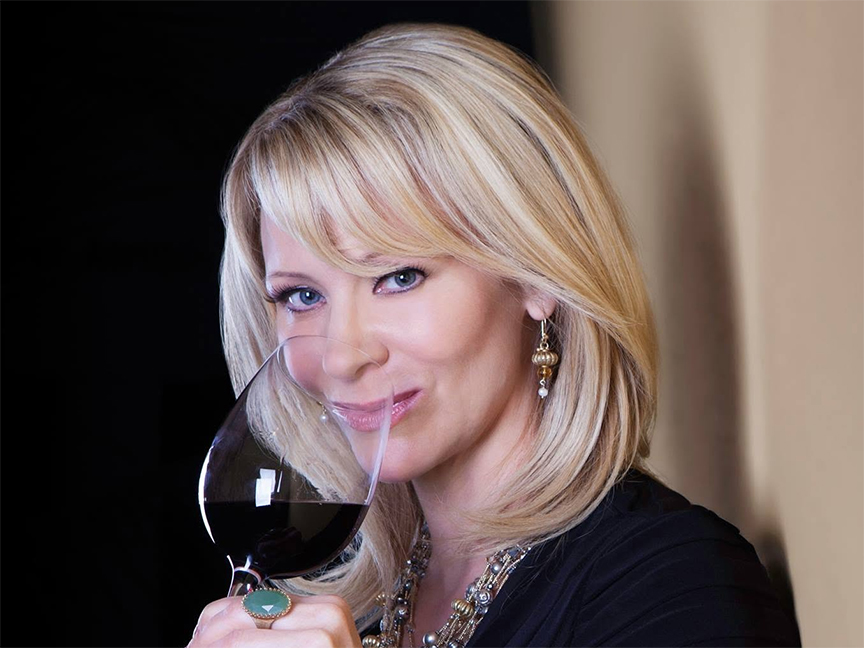
We were thrilled to see that one of our all-time favorite wine writers, Lettie Teague, a journalist who helped to reshape food and wine writing in the U.S., has found a new home for her column at the New York Sun.

Here’s what Lettie had to say in her January 2024 column for the journal where she tasted a wide range of Lambrusco available in the U.S.

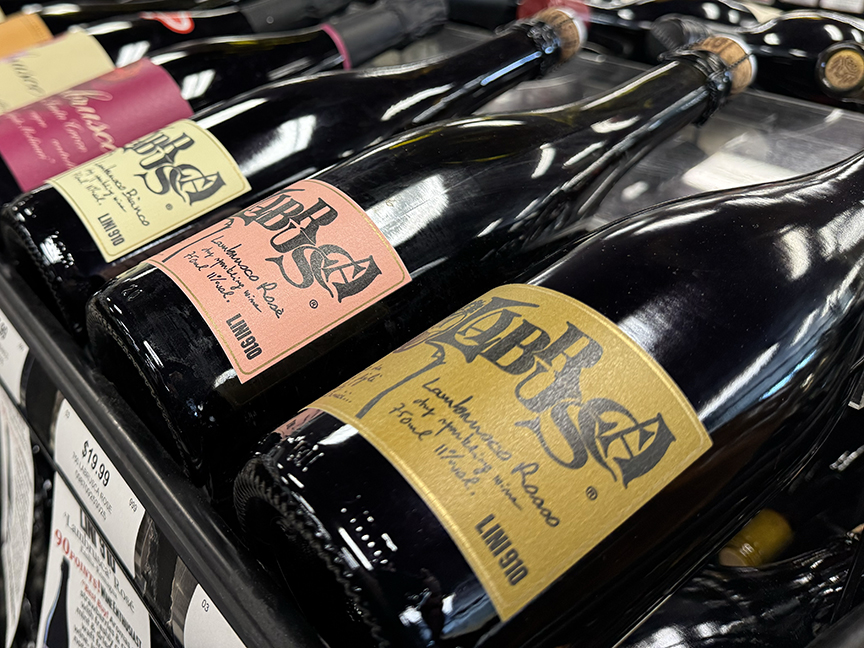
One of my favorites, the Lini 910 Labrusca Rosso ($15), made primarily from Lambrusco Salamino, was accordingly light bodied and lithe. The Lini 910 is named for the year that the Lini family began producing Lambrusco (1910) and is the family’s largest-production wine. Winemaker Fabio Lini particularly prizes the Salamino and Sorbara grapes—the former for its elegance, said his daughter, Alicia Lini.

We can’t share the article in its entirety because it’s behind a paywall. WSJ subscribers can read it here.

Congrats on the move, Lettie! We can’t wait to read more!

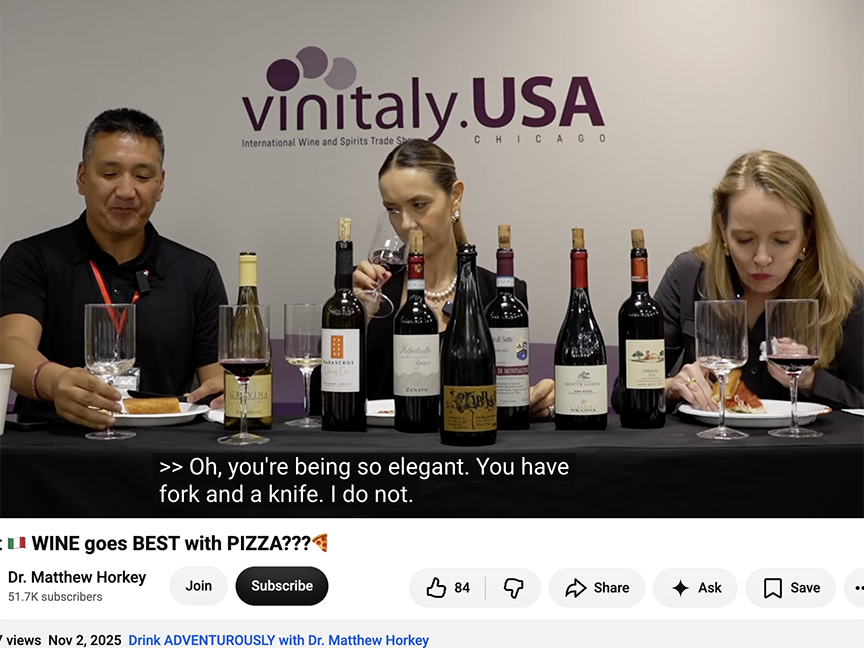
Earlier this year, Alicia received a visit from the amazing Dr. Matthew Horkey, with whom she had previously tasted at the Vinitaly International symposium in Chicago. Click here for a video of their conversation and tasting in Chicago.

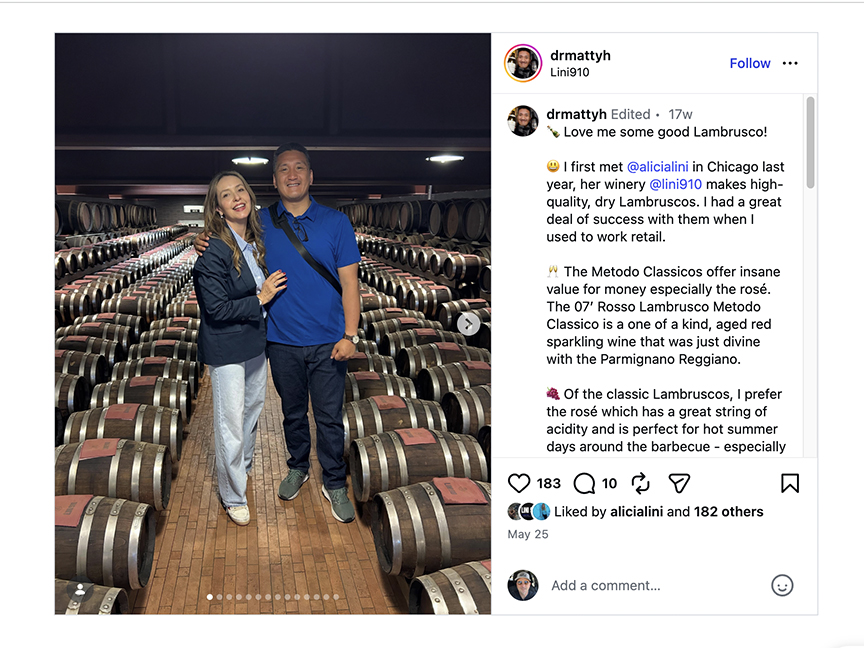
I first met @alicialini in Chicago last year, her winery @lini910 makes high-quality, dry Lambruscos. I had a great deal of success with them when I used to work retail.

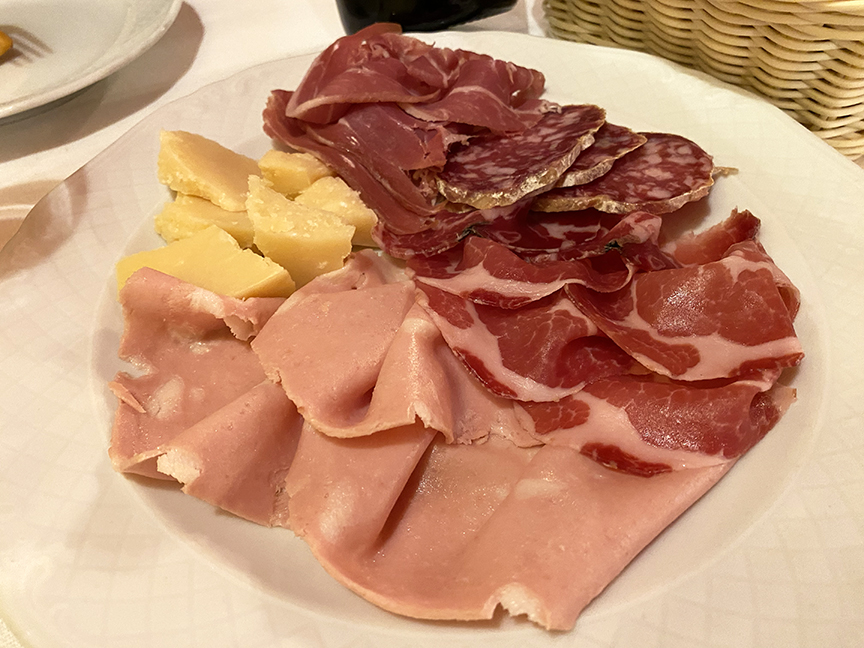
🥂 The Metodo Classicos offer insane value for money especially the rosé. The 07’ Rosso Lambrusco Metodo Classico is a one of a kind, aged red sparkling wine that was just divine with the Parmignano Reggiano.

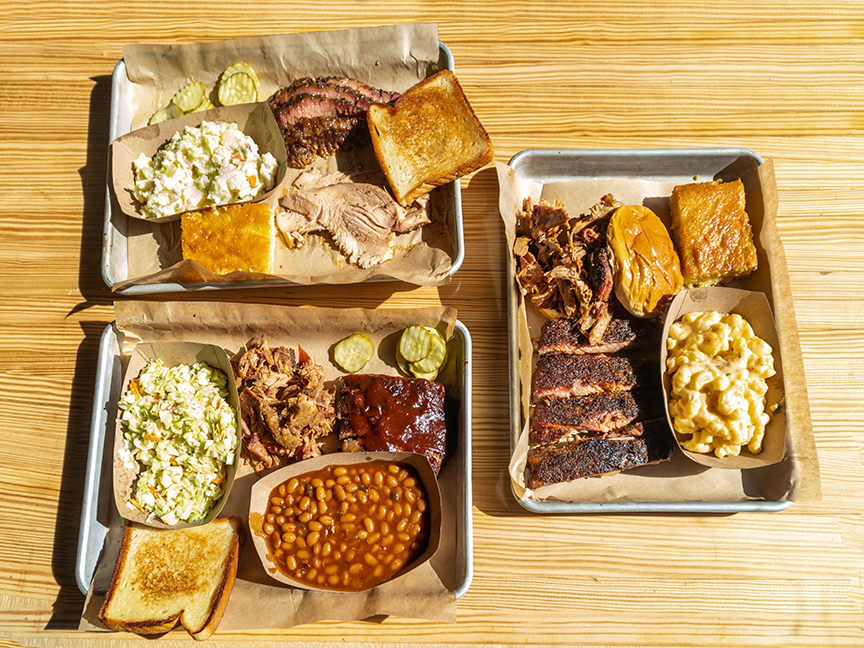
🍇 Of the classic Lambruscos, I prefer the rosé which has a great string of acidity and is perfect for hot summer days around the barbecue – especially considering it comes in under US$20.

🛢️ Lini also produces Reggio Emilia DOP Basalmico that needs to age for at least 12 years in the barrel. I could drink it like liquid candy!

From Dr. Horkey’s Amazon author page: Dr. Matthew Horkey is the co-founder of Exotic Wine Travel, co-author of Uncorking the Caucasus: Wines of Turkey, Armenia, and Georgia and Sipping Santa Barbara: Recommended Wines and Producers. He is also the author of Travel Learn Earn: Let the World Be Your Guide to Freedom. He is currently traveling the world full-time, shedding light on the world’s exotic and unique wine regions. His work can be found on Facebook, YouTube, Twitter, and Instagram under Exotic Wine Travel. He has also authored articles for several trade magazines and peer-reviewed publications. An experienced public speaker, he’s been a guest speaker at the American University of Rome, Life University, and various companies including Microsoft, TripAdvisor, Norton Rose, and JP Morgan. He holds an advanced certification from the Wine & Spirits Education Trust (WSET).

Here’s what Leslie Sbrocco, one of the nation’s most beloved celebrity sommeliers, had to say about Lini Lambrusco on her public media show “Check, Please! Bay Area”:

Lini 910 Lambrusco is simply one of the best deals on the wine market today. It’s a versatile sparkling to discover and buy by the case for year-round sipping. The Lini family has been producing artisanal Lambrusco in the Italian region of Emilia since 1910. Currently run by the fourth generation of the family, it’s a female-led producer to know. The wine carries the name “Labrusca,” which refers to the ancient Roman name for indigenous grapes used to make the sunny sparkling red (Rosso) known today as Lambrusco. This ruby-hued, gently fizzy bottling overflows with red berry freshness followed by a crisp, dry finish. It’s an ideal pairing for everything from aged cheeses to spicy Thai curries and smoky barbecue.

Click here to watch the show on YouTube. Thank you, Leslie! We are such big fans!

From the “Check, Please!” website: Award-­winning author, speaker, consultant and television host Leslie Sbrocco is known for her entertaining approach to wine and food. Voted one of the Top 100 most influential people in the American wine business, Sbrocco engages audiences both on screen and on stage with her humor and affability. As host of Check, Please! Bay Area, Sbrocco has won a coveted James Beard award, three Taste Awards and multiple Emmy awards. She is a regular guest on NBC’s Today Show and appears frequently on national television outlets. Her work has appeared in O, the Oprah magazine, Coastal Living, Woman’s Day, Health, Good Housekeeping, and Glamour, among others.

From the department of “just in case you were wondering”…

We know that the Romans used the word Lambrusco.

In ancient Latin, it appears as lambruscum or labrusca. It denoted “wild grape varieties” and can be found in the works of writers like Pliny and Columella.

But the earliest known mention in the Italian language dates back to the early 14th century when Bolognese jurist and agriculturalist writer Pietro de’ Crescenzi used it to refer to the specific grape variety. At least so it is believed (according to top Italian lexicographers).

Images via the Wikipedia entry for Pietro de’ Crescenzi.

Above: Alicia examines a bottle of Lini classic method wine “aging on its lees.” As she holds it up to the light, you can see the “lees,” the sediment, in the bottom of the bottle.

What is “lees aging”? And why is it important in the production of sparkling wine?

You often hear wine trade professionals talk about this phase, a very particular one, in the sparkling winemaking process but few can really tell you what it means and why it’s a fundamental element in sparkling wine production.

Sparkling wine is always produced by fermenting the wine twice, the second time in a pressurized environment (either a tank or in the case of classic method wines, in bottles).

After the second fermentation of the wine, the wine is aged “on its lees.” Lees are the sediment (the solids) produced as a byproduct of fermentation. They are made up mostly of dead yeast cells (fermentation is the process of yeast converting sugar into alcohol) and cells from the grape must.

It’s during the period of lees aging that the wine develops a lot of its flavors and texture. In general, the longer the wine is aged on its lees, the better.

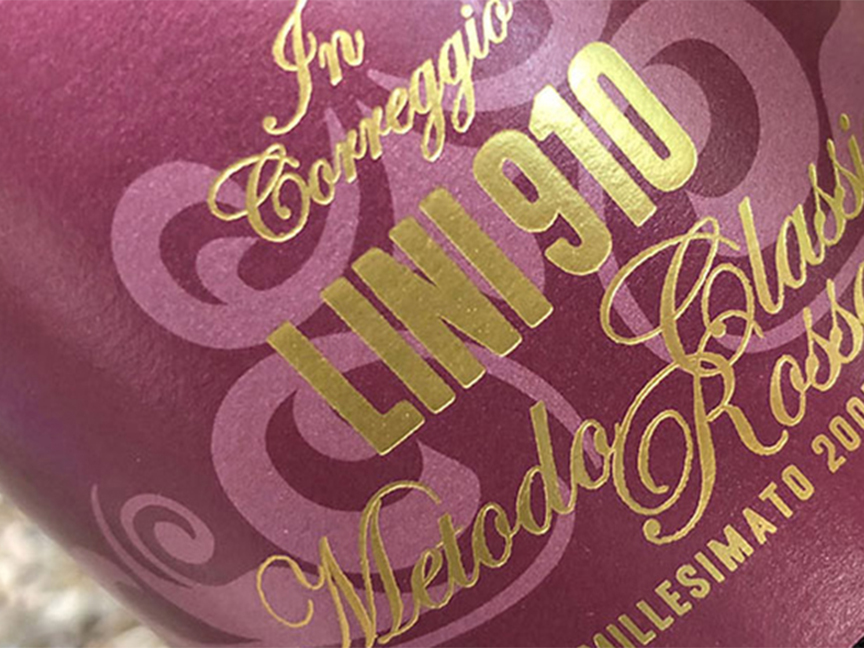
Lini 910 Lambrusco Metodo Classico
94 points

Wine Enthusiast
September 2023

The Lini family has been at the forefront of producing Lambrusco via the Champagne method since the 1970s, and this wine shows their expertise. Aged for 14 to 15 years on the lees, this 100% Lambrusco di Salamino is radiant with ripe cherries mixed with savory herbs, sweet spices and blueberry tart aromas. The palate is rich yet light with an acidity that keeps the palate fresh. The wine finishes with complex notes of plums, dried herbs and violets. Drink now–2035. — Jeff Porter

Jeff is one of the most renowned Italian-focused sommeliers and wine writers working in the U.S. today. We couldn’t be more thrilled by his review.

He also scored and reviewed all the current releases:

Lambrusco Labrusca Bianco
93 points

“Best Buy”

Lambrusco Labrusca Rosé
90 points

“Best Buy”

Lambrusco Labrusca Rosso
92 points

“Best Buy”

Lambrusco Labrusca Riserva
90 points

Click here for all of Jeff’s recent reviews of Lini 910.

Above: The Lini family was featured in the 2020 holiday issue of Food & Wine magazine.

Since 1910, four generations of the Lini family have produced traditional-style Lambrusco at their winery in the province of Reggio Emilia (northern Italy). Even as other Lambrusco growers and winemaker followed market trends in places like the U.S. where sweet-style Lambrusco became wildly popular in the 1970s, the Lini have never strayed from their passion for dry Lambrusco, the kind that the Emilians drink themselves. One of the keys to Lini 910’s success is their steadfast belief that great Lambrusco takes time: The winery patiently ages all of its wines until they are ready to be released. As a result, the wines have brilliant aromas and flavors that set them apart from the crowd. As the interest in traditional-style Lambrusco grew in the 2000s, Lini 910’s wines once again became a favorite of consumers and critics alike. Their Classic Method Lambrusco, made like a Champagne, has been called “the best Lambrusco of all time” by one of Italy’s leading wine writers. And the wines regularly receive 90+ scores from American critics at magazines like Wine Spectator and Wine Enthusiast.